2. Research
Expert Interviews
In order to accurately create and modify a feature on a website, the first step is to learn about the
user who will be interacting with such a website and learn some of the struggles they face.
In order to learn more about the user, two interviews were conducted with librarians who are
familiar with their public library’s user base. One interview was conducted via video conferencing,
while the other two were done through email. These participants were asked to answer a series of
questions to their best knowledge based on analytics or experiences that occur during their
day-to-day life when it comes to the patrons that visit their public library’s website. Data such as
user demographics, goals, and pain points were recorded and used as key areas to improve and
focus on redesigning.
Literature Search
To get a more well-rounded look at user data in a broader sense, literature research was also
conducted from numerous articles, studies, and readings. While the user interviews focused on
what they knew, these studies helped show the statistics and demographics from a higher level.
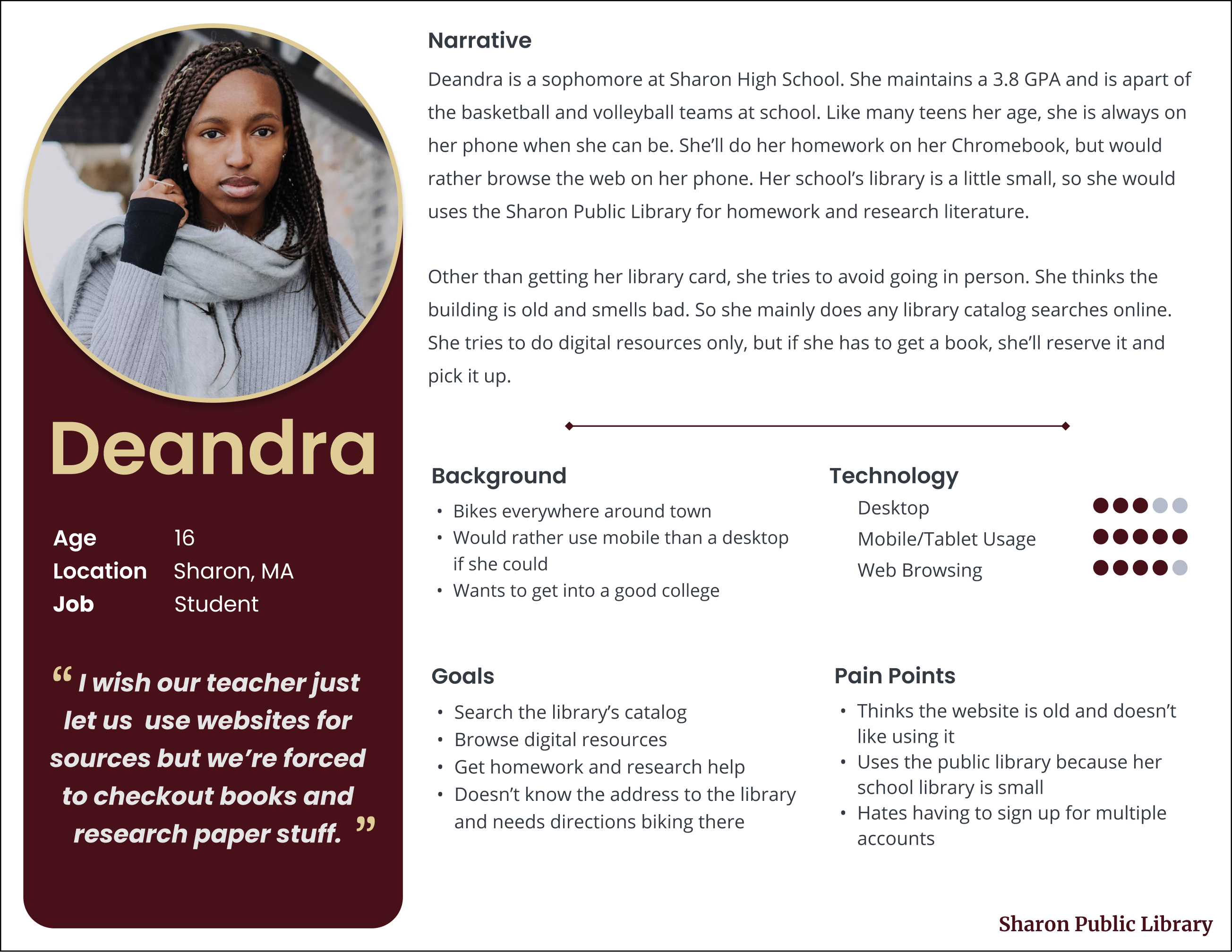
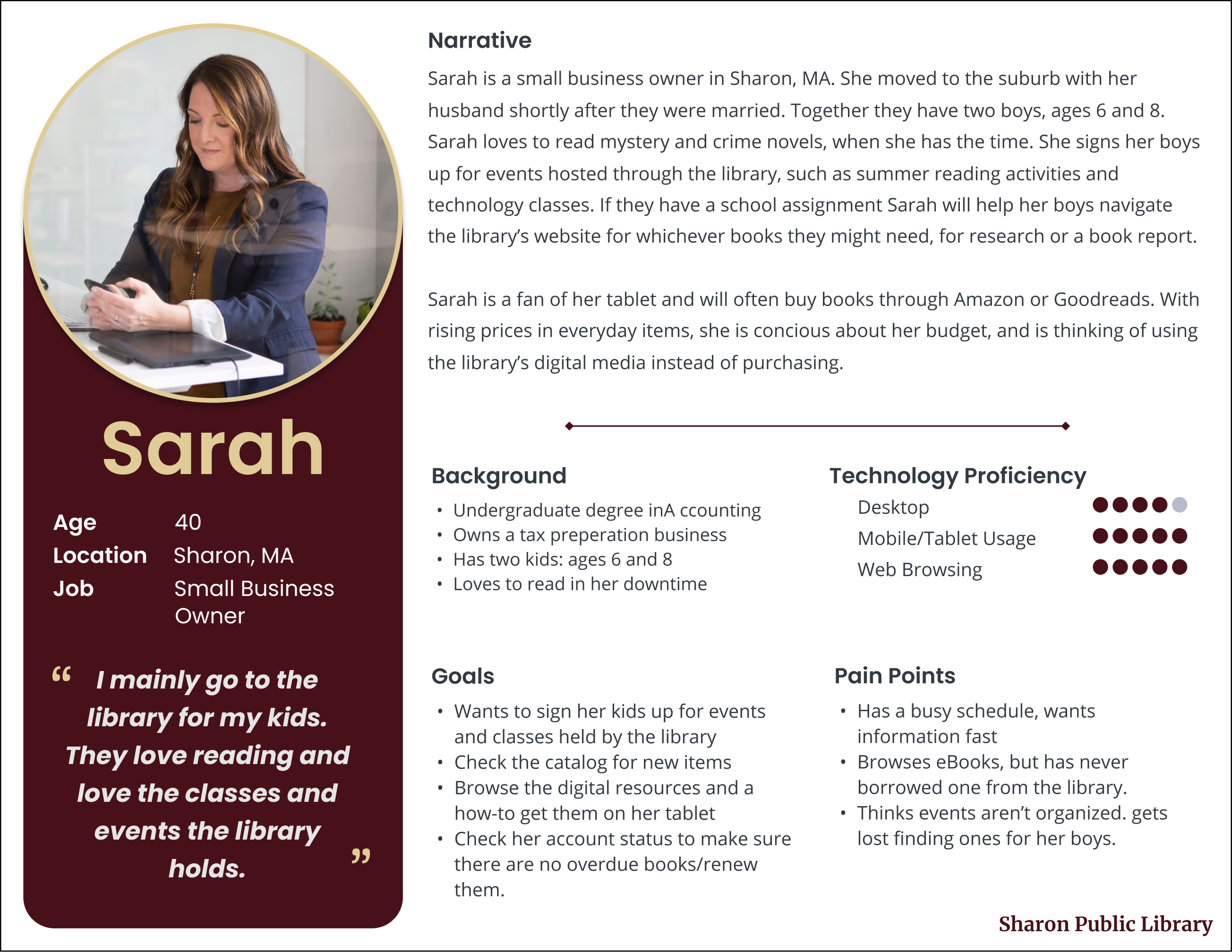
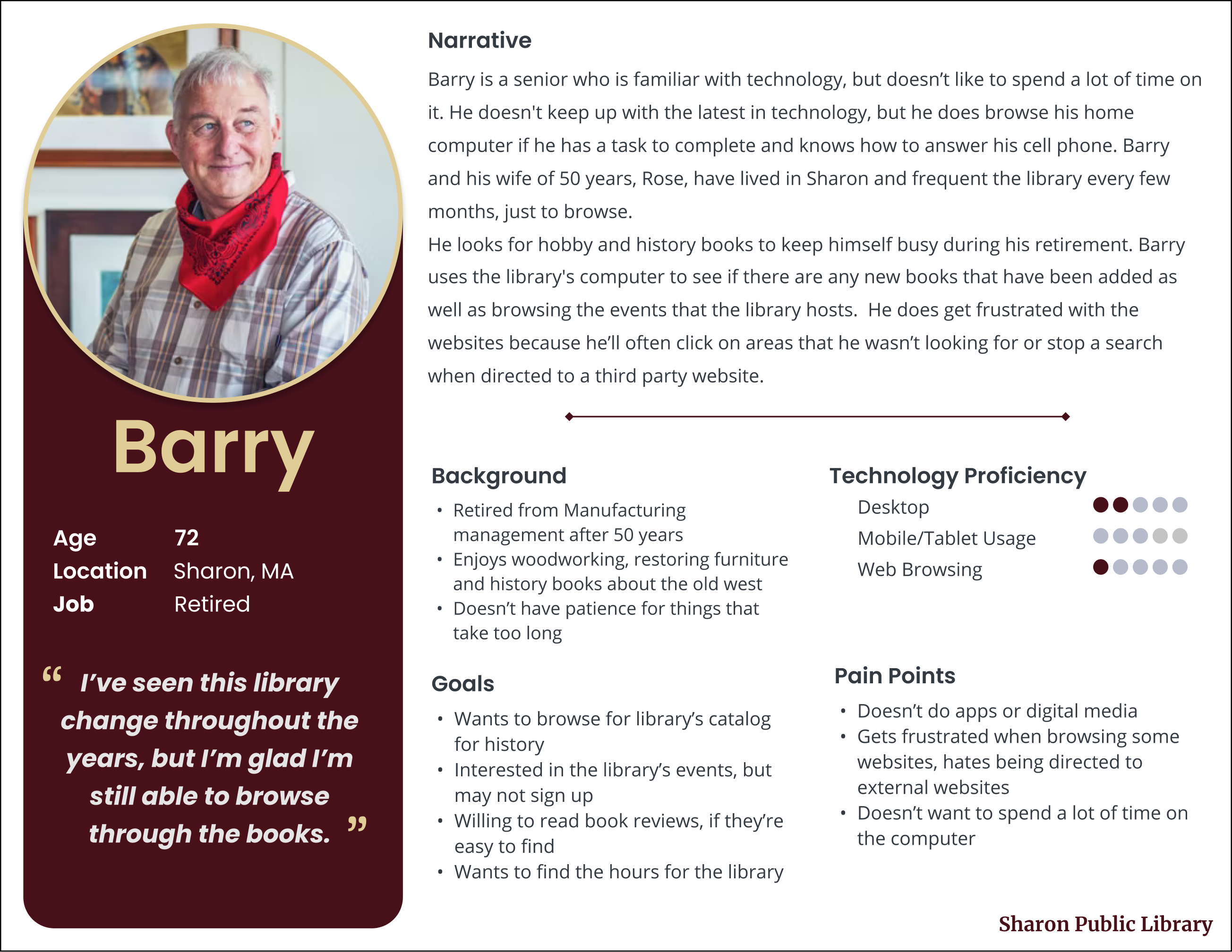
Between the two user research methods, personas and high-priority tasks were created to
showcase what an average user might be and specifically how they might use the website.
Findings showed that users want to search the library catalog, find events and registration, find the
hours and location of the library and browse available digital resources.
- 27% of the population have visited a library’s website in the past year do so to search library catalogs, placing items on hold, renewing items or doing research.
- 58% of library website users searched a library’s catalog
- 44% users reserved books/audiobooks/ebooks/cds or dvds
- 44% conducted research or got homework help
- 40% renewed items
- 37% used online databases
- 31% read book reviews or book recommendations
(Horrigan, 2019)
- Users get lost with "library jargon"
- Search is a pain point
- External links are a pain point
- Difficulty finding how to request books not owned by the library
(Singley, 2014)
- Horrigan, J. B. (2019, December 31). Library usage and engagement by Americans. Pew
Research Center: Internet, Science & Tech. Retrieved March 20, 2022, from
https://www.pewresearch.org/internet/2016/09/09/library-usage-and-engagement/
- Singley, E. (2014, October 1). Top 5 problems with library websites – a review of recent
usability studies. usable libraries. Retrieved March 20, 2022, from
https://emilysingley.net/usablelibraries/top-5-problems-with-library-websites-a-review-of
-recent-usability-studies/
Tree Testing - TreeJack
After user testing and focusing on the high-priority tasks, a content analysis was conducted which
narrowed down pages within the website and made it easier to reorganize. After meticulous
planning, the first version of a site map was created. This site map was entered into a tree testing
software and participants were given high-priority tasks and were instructed to see if they could
locate the page the task was describing. Overall, the task was successful however there were some
areas of concern that were addressed and retested.
Findings from this test concluded that users had a hard time finding digital media and research
articles.
Click Testing - Chalkmark
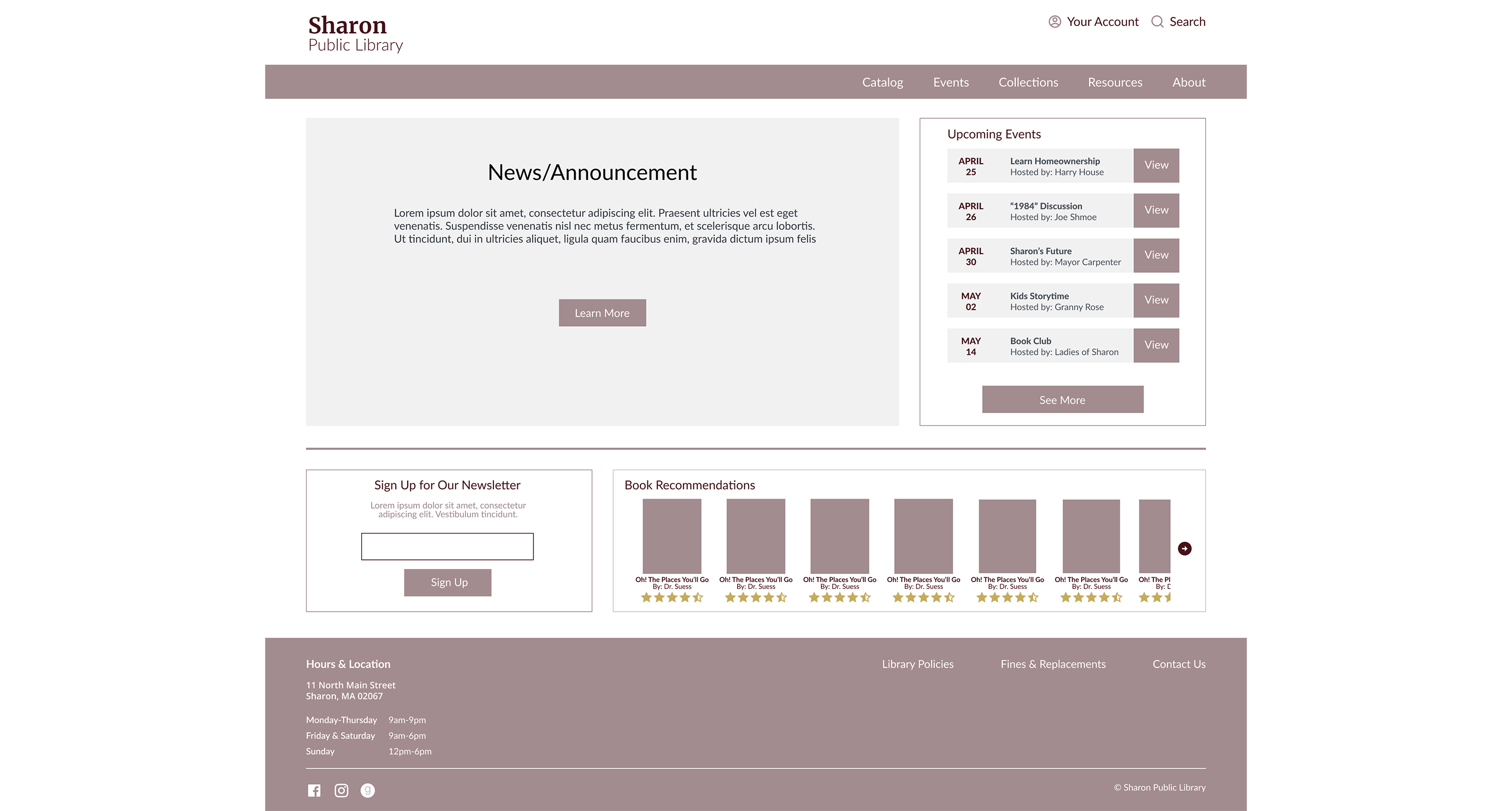
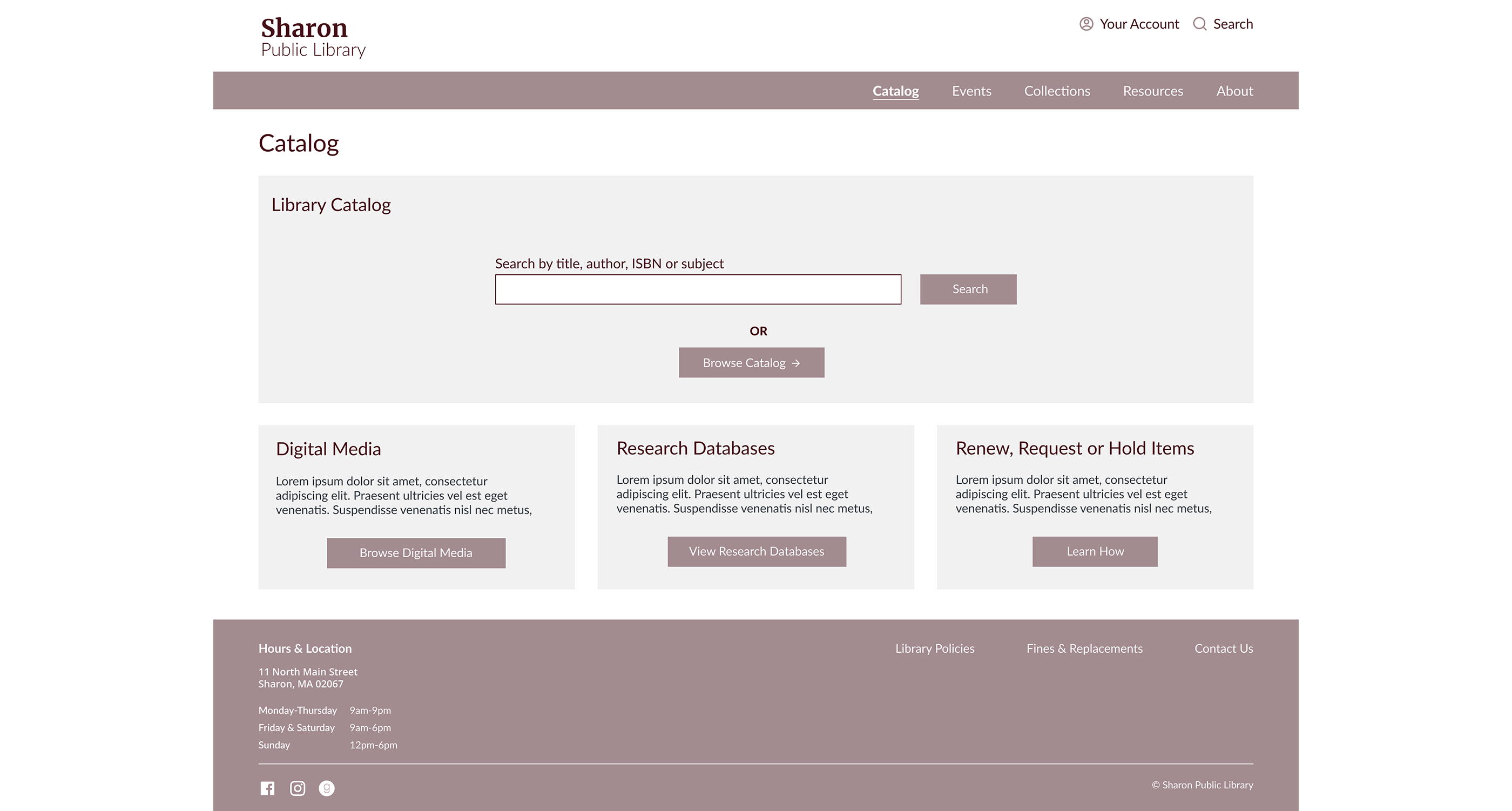
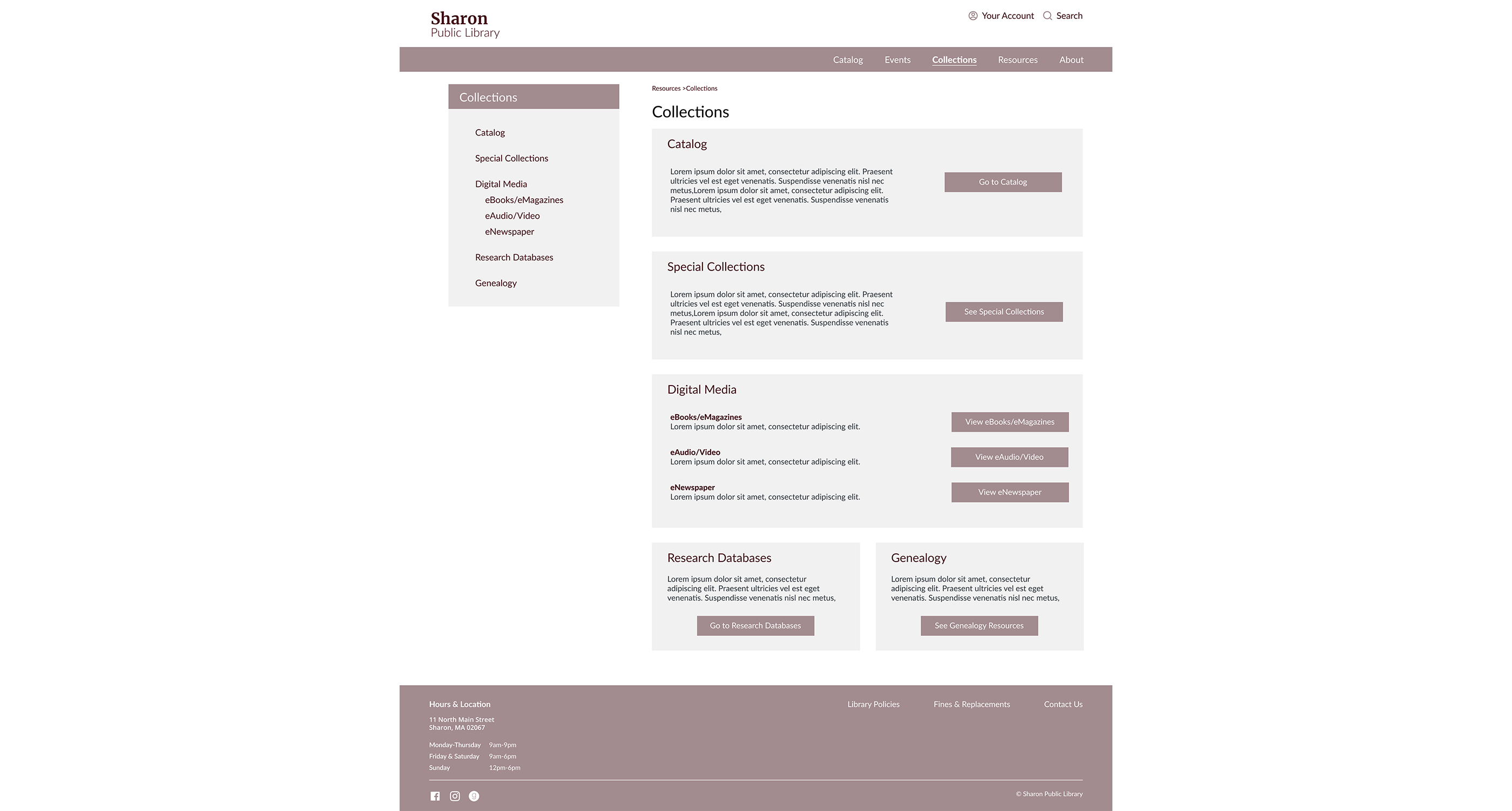
The last user research test that was conducted was a prototype click test. Using the same
high-priority tasks as a benchmark, a group of different research participants were asked to locate
pages and areas on a low-fidelity mockup of some of the proposed design pages. The participants
were primarily able to correctly locate these high-priority task items easily and quickly.
The click test indicated that a majority of users were correctly finding what they needed to when
completing the tasks assigned.
Finalized Task Prioritiazion
Search Library Catalog
Find events and registration
Library information
Browse Digital Resources
Reserve/Renew Items
Research Catalog/Homework Help
Read Book Reviews
View Library Account Info